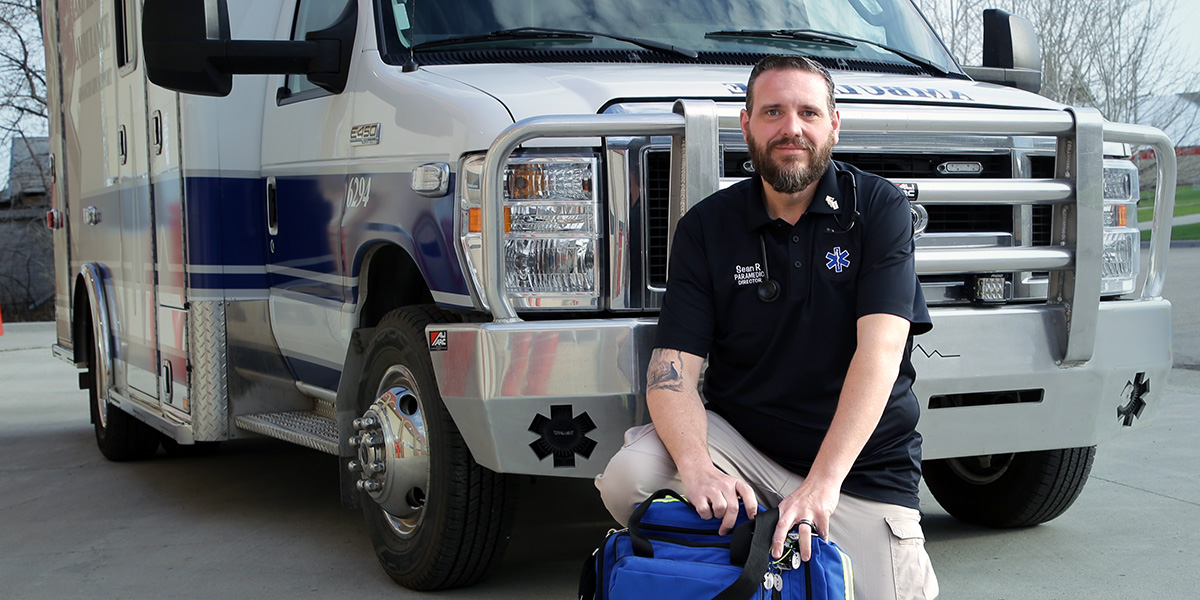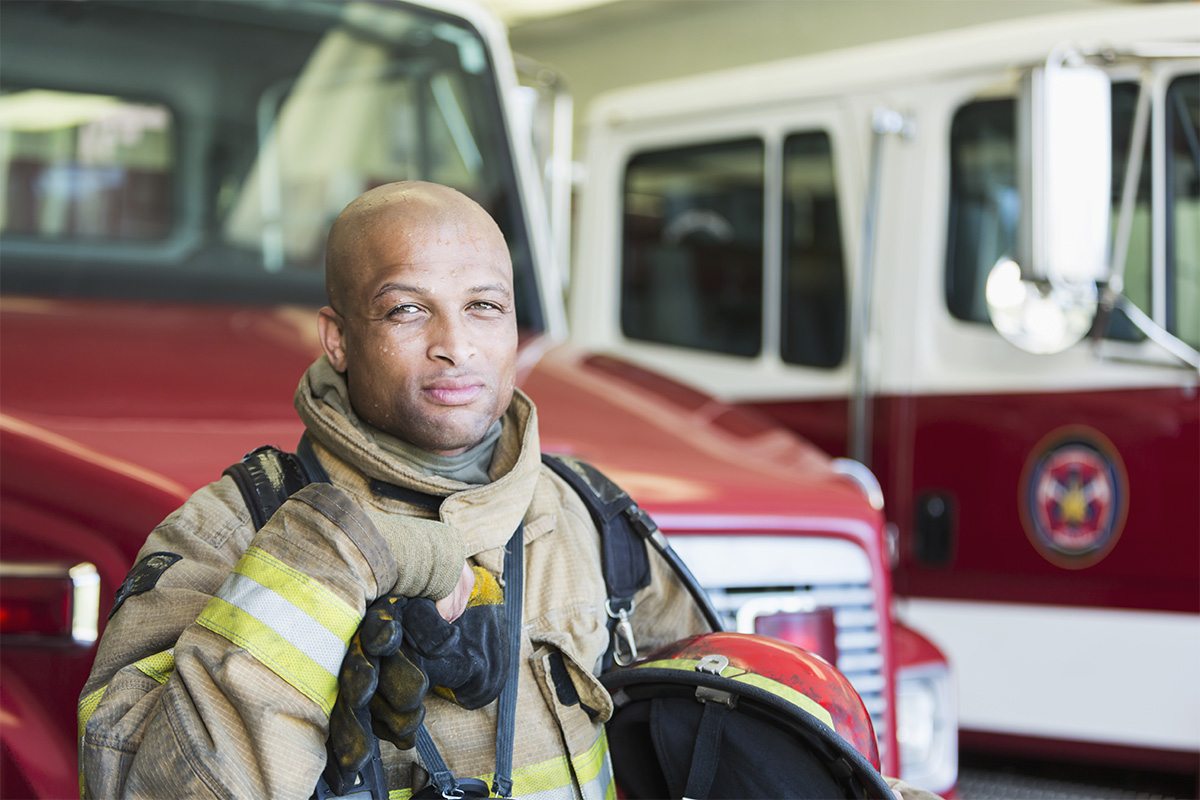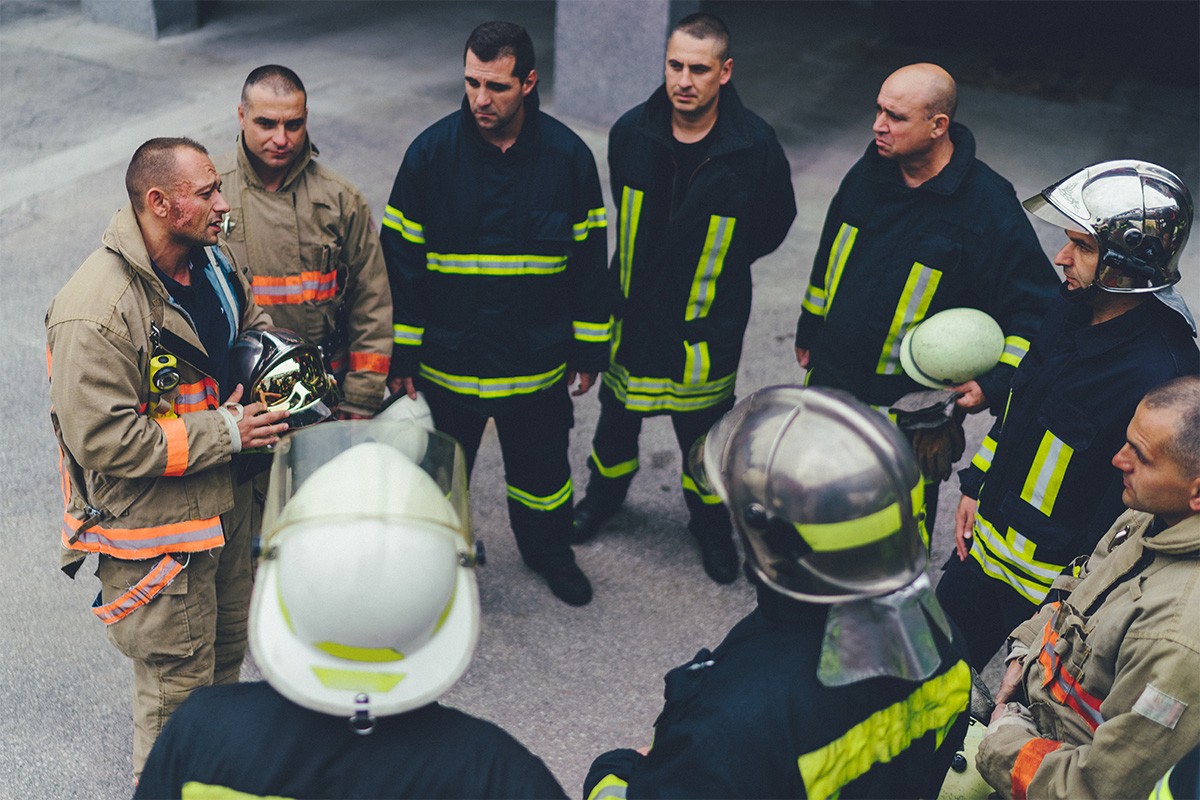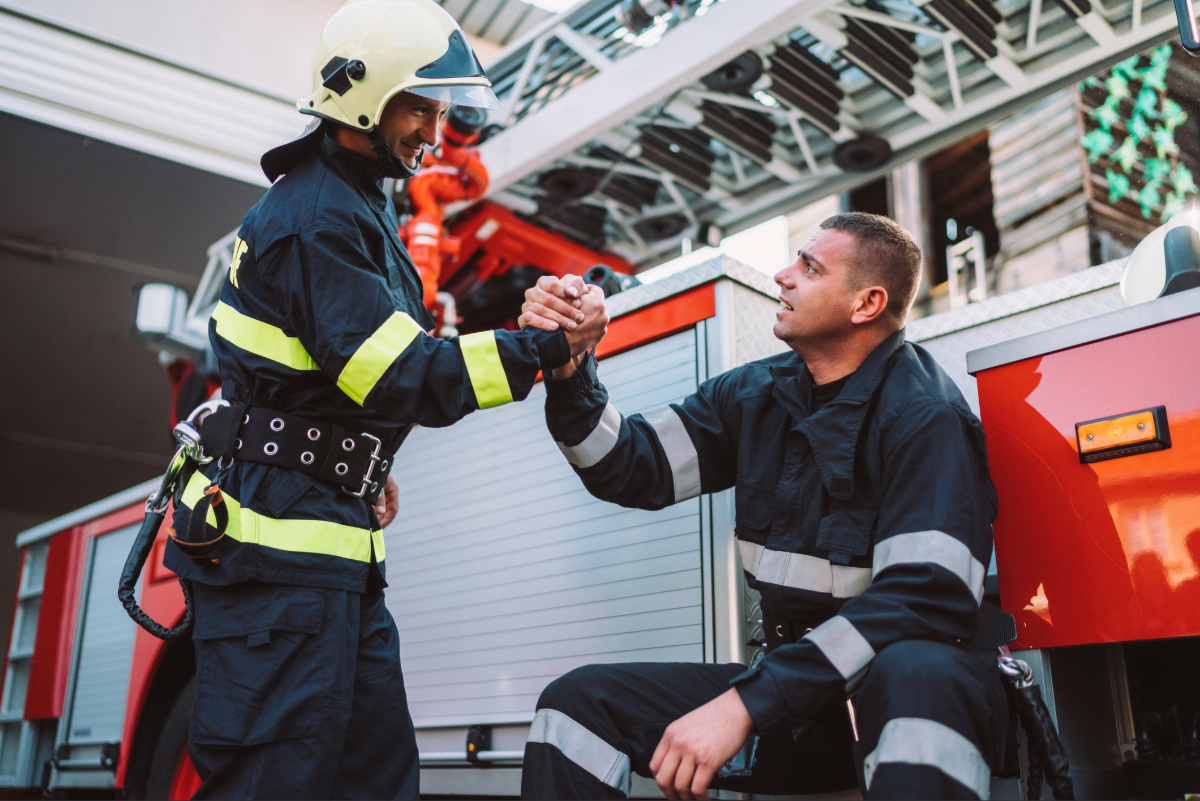
Across the United States, communities rely heavily on volunteer firefighters to respond not only to fires, but to medical emergencies, rescues, hazardous materials incidents, and natural disasters. That level of responsibility requires sound judgment, adaptability and leadership under pressure. These skills are already ingrained for those who have served.
Volunteer firefighters are prepared, trained and ready to act when systems strain and seconds matter. The question often becomes not whether they are capable, but how to advance into career roles that reflect that capability, should they choose this career path.
Why Volunteer Firefighting Remains Essential
Volunteer firefighters make up the majority of the fire service in the United States, particularly in rural and suburban areas where funding for full-time departments may be limited.
"Volunteer fire departments don’t just protect their communities; they are part of the communities. The people who show up at 2 a.m. for a structure fire or other emergency are the same people attending the local churches, involved in youth sports, working full-time jobs, and raising families. Most volunteers have a level of ownership and pride for their departments."
— Dr. Donald Adams, Ed.D., CSU Fire Science Program Faculty
Public safety relies on volunteer firefighters because they are responsible for protecting lives and property, often with limited resources and minimal notice. Their local presence improves response times, reduces financial strain on municipalities, and strengthens public confidence in emergency services.
"Regardless of whether you are volunteer or career, fire still burns, injures, kills and react the same way. It is based upon science and the more knowledge you have the better prepared you will be to succeed when called upon to do so. The volunteer fire service over the last 10 years has seen a dramatic decline in numbers across the country. Consequently, the volunteer leadership need innovative management and leadership skills to improve recruitment and retention of the volunteer fire service members."
— Former Chief Dan Gaumont, CSU Fire Science Program Faculty
Because volunteers live and work in the communities they serve, they bring firsthand knowledge of local risks, infrastructure and needs. This connection fosters resilience and reinforces the idea that public safety is a shared responsibility.
Volunteer Firefighters Handle More Than Just Fires
Volunteer firefighters operate in an all-hazards environment, which requires technical knowledge, situational awareness and the ability to lead during complex incidents.
Many fire departments expect or encourage members to cross-train in multiple disciplines, including emergency medical services, vehicle extrication, water rescue, hazardous materials response, and disaster recovery.
In addition to emergency response, volunteer firefighters often take on non-emergency responsibilities such as:
- Administrative and fundraising support
- Community risk reduction and fire prevention education
- Equipment maintenance and station operations
- Training coordination and mentoring new members
"Training is another area where volunteer departments face unique challenges. We often have to do more with less. Volunteers have less time, less staffing, and less equipment. But volunteers are resourceful. When you combine structured education with hands-on training, you create firefighters who can adapt quickly, think critically, and operate safely even in unpredictable environments."
— Dr. Donald Adams, Ed.D., CSU Fire Science Program Faculty
Commitment, Discipline and Professional Growth
Volunteer firefighters have full lives outside the firehouse. They work full-time jobs, support their families and still commit evenings, weekends and personal time to training and response. Weekly drills, advanced certifications and specialized training are often completed without compensation, driven by responsibility rather than obligation.
This level of commitment builds more than technical skills. It develops discipline, accountability and the ability to perform under pressure. Over time, many volunteers find themselves informally taking on leadership roles, guiding newer members or coordinating responses long before holding an official title.
"Recruitment and retention continue to be the biggest struggles. Most volunteers aren’t leaving because they don’t care many times, it is because life gets harder to make ends meet and they don’t have time. Education plays in to this equation and if we can get volunteers to understand the “why” behind what they do such as fire behavior, leadership, ICS, risk management then they become more confident, more capable, and more committed. Over the years I have seen education turn new volunteers that are hesitant into dependable responders and many times leaders."
— - Dr. Donald Adams, Ed.D., CSU Fire Science Program Faculty
Transitioning From Volunteer Service to Advanced Roles
For many, volunteer firefighting serves as a foundation for broader career advancement. Some transition into full-time firefighting positions, while others move into supervisory, training, safety or administrative roles within emergency services or related industries.
Volunteer experience provides a strong operational base, but advancement often requires credentials that align with organizational and promotional requirements. Formal education can help bridge that gap, translating hands-on experience into recognized qualifications that support leadership eligibility.
Growing Knowledge Through Fire Science Education
While experience builds instinct and confidence, education deepens understanding. A fire science degree or certification allows volunteer firefighters to explore the science behind fire behavior, building construction, incident command and risk management.
"As a former combination department fire chief and educator, I’ve seen how education transforms dedicated volunteers into confident leaders. With increasing demands for accountability and professionalism, formal learning equips volunteer firefighters to safeguard public trust and guide their departments with excellence."
— Former Chief Robert C. Dubé, MS, EFO, CSU Fire Science Program Faculty
Formal education helps experienced professionals:
- Apply modern safety standards and research
- Strengthen decision-making and leadership skills
- Prepare for supervisory, training or administrative roles
- Understand the “why” behind established practices
For volunteers who have already proven themselves in the field, education isn’t about starting over. It’s about formalizing expertise, strengthening credibility, and positioning themselves for long-term professional growth.
Earn Your Fire Science Degree at Columbia Southern University
If you are in volunteer fire service, we commend your commitment to your community and want to help you grow in your knowledge and opportunities. With degree programs in fire science and emergency medical services administration, CSU offers many options in the College of Safety & Emergency Services to help you reach your goals.
Disclaimer:
Multiple factors, including prior experience, geography, and degree field, affect career outcomes. CSU does not guarantee a job, promotion, salary increase, eligibility for a position, or other career growth. Testimonials may not reflect the experience of all CSU students.